
Reducing Fire Risk Around Structures and Access Routes
Fuel Reduction in Battle Ground for Wooded Acreage, Rural Homes, and Wildfire Preparedness
Dry summer conditions and dense vegetation create wildfire risks around rural homes, wooded properties, and private roads throughout Clark County, where dead undergrowth, thick brush, and ladder fuels allow ground fires to reach tree canopies and spread rapidly. Fuel reduction removes these combustible materials through strategic vegetation thinning, brush clearing, and dead material elimination, improving defensible space and reducing the intensity of potential fires. Properties with structures surrounded by Douglas fir, cedar, and dense salal face elevated risks when seasonal moisture drops and ignition sources increase during late summer.
Reduction work targets high-risk fuels—dead branches, dense brush within thirty feet of structures, overgrown areas along driveways, and understory vegetation that connects ground-level fuels to tree crowns. The process creates separation between fuel layers, reduces overall fuel load, and improves access for emergency response if fire does reach the property.
Schedule a property assessment to identify high-risk areas and plan fuel reduction work before fire season begins.
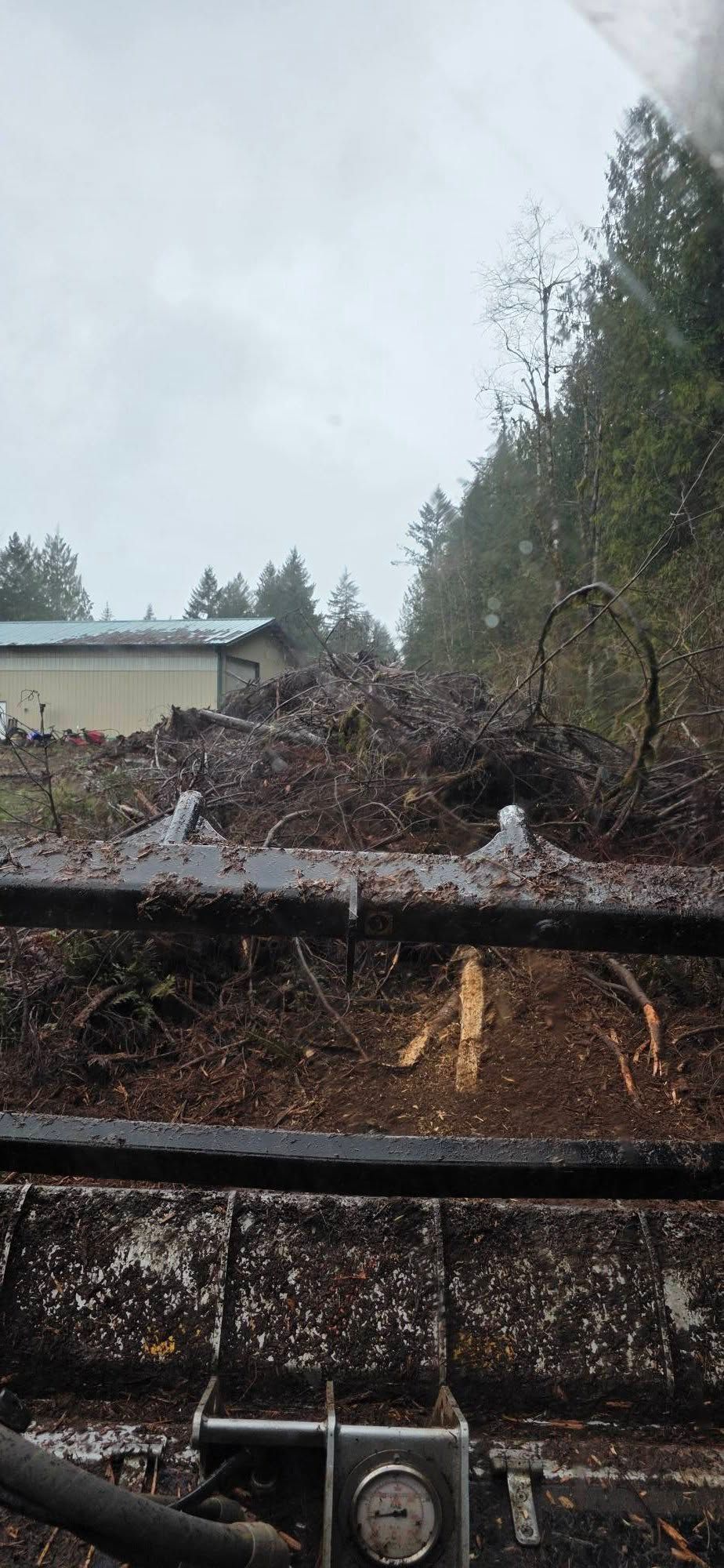
What Fuel Reduction Changes on Rural Properties
Fuel reduction removes the continuity that allows fire to move easily across a property. Clearing dead vegetation eliminates the driest, most ignitable material, thinning brush reduces flame heights and heat output, and separating tree canopies prevents fire from jumping between crowns. The work prioritizes zones closest to homes, outbuildings, and evacuation routes, where reduced fuel loads provide time for firefighting efforts and improve survivability for structures.
After reduction, you notice open space around buildings, clear sight lines along access roads, and a property that looks managed rather than overgrown. The changes make it easier to monitor the land, reduce hiding spots for rodents and larger wildlife, and slow regrowth of fire-prone invasive species. RAM Landclearing Inc. uses efficient equipment to handle large and small properties, processing material quickly while preserving trees and features you want to keep.
Fuel reduction is most effective when combined with ongoing maintenance, as regrowth reintroduces fuels within two to three growing seasons. Properties in forested areas benefit from scheduled follow-up to maintain reduced fuel loads, particularly along property perimeters and near structures where fire risk remains highest.
Answers to Frequent Fuel Reduction Questions
Landowners preparing properties for wildfire season often need clarity on what reduction involves, how it differs from full clearing, and when to schedule work for maximum effectiveness.
What vegetation is removed during fuel reduction?
Dead trees, dry brush, dense undergrowth within defensible zones, and ladder fuels such as low branches are removed, while healthy trees and desired vegetation are thinned or pruned to reduce crown fire risk without eliminating forest character.
How far from structures should fuels be reduced?
Defensible space guidelines recommend clearing or thinning fuels at least thirty feet from structures, with spacing extended to one hundred feet or more on steep slopes where fire spreads faster and burns hotter due to preheating upslope fuels.
When should fuel reduction be completed in Battle Ground?
Late winter through early spring allows clearing before fire season and before nesting birds occupy brush, though fall work after the first rains reduces dust and allows debris to decompose over winter if left on-site.
What happens to cleared material?
Material can be chipped for erosion control, hauled off-site, or piled for later burning under county burn permits, with choice depending on debris volume, proximity to neighbors, and whether you want organic matter returned to the soil.
Why does fuel reduction need repeating?
Grasses, brush, and saplings regrow quickly in the Pacific Northwest climate, reintroducing fuels within two to three years—routine reduction maintains defensible space and prevents accumulation of dead material that increases fire intensity during dry months.
RAM Landclearing Inc. provides fuel reduction services designed to improve safety and land accessibility for residential and agricultural properties. Reach out to discuss preventative planning and schedule work that prepares your property before wildfire concerns peak each summer.